Turkey Hat Cat: A Designer's Real-World Review
As a designer who has spent years curating machine embroidery design libraries for both personal projects and client work, I approach every new file with a critical eye. We all know the feeling of downloading a festive graphic only to find it falls apart under the needle. Today, I am putting the Turkey Hat Cat through its paces. This isn't just about whether the image is cute; it is about how this specific embroidery file translates into a high-quality finished product that customers will actually want to buy or keep.
First Impressions: Personality and Composition
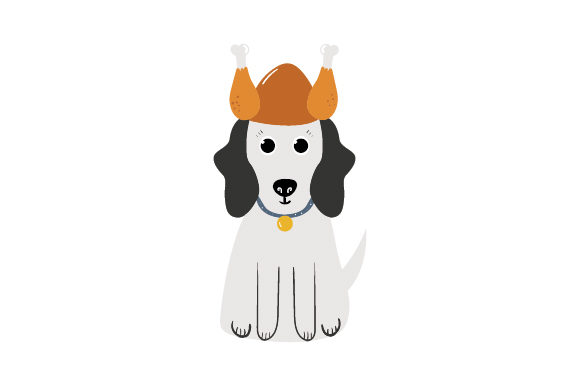
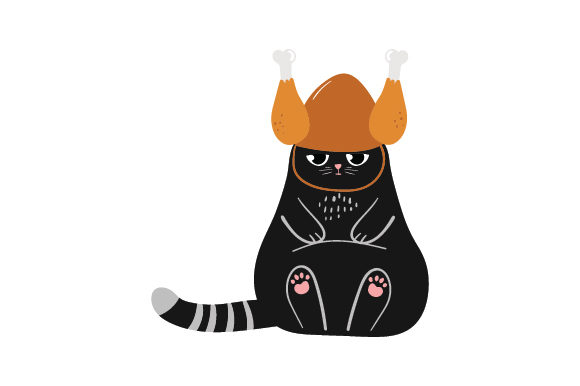
The moment you open the preview for Turkey Hat Cat, the mood is immediately established. It is undeniably whimsical. The illustration features a fatty cat sporting a turkey hat, a combination that leans heavily into the humorous side of Thanksgiving decor. For a craft business looking to stand out in a sea of traditional pilgrims and cornucopias, this kind of character-driven art is gold. The shape is rounded and substantial, which is excellent news for embroidery. Round forms generally stitch better than sharp, angular ones because they allow for smoother transitions between fill stitch areas and satin stitch outlines.
However, the "fatty" description implies a certain volume. In embroidery terms, this means we need to pay close attention to stitch density. If the design is too dense, it can create a stiff, plastic-like feel on soft fabrics like flannel or jersey. If it is too sparse, the thread colors might show through the fabric, ruining the visual impact. My initial assessment is that this design works best where the personality is the star, making it a perfect candidate for custom apparel where the wearer wants to make a statement without being overly formal.
A Real-World Scenario: The Holiday Tote Bag Project
To truly understand the utility of Turkey Hat Cat, let's imagine a specific project. You are an Etsy seller preparing for the holiday rush, and you have decided to create a line of reusable tote bag designs. You want something that feels handmade yet professional. You load the digital embroidery file into your machine, selecting a sturdy cotton canvas tote. As the needle begins to dance, the large, round body of the cat fills up quickly. Because the subject is a cat wearing a hat, there are distinct sections for color changes—likely browns, oranges, and perhaps a pop of red for the hat details.
In this scenario, the design shines. The humor of the cat appeals to parents looking for personalized gift options for their kids or even adults who enjoy quirky home goods. When the stitching is complete, the result is a bold, recognizable icon. Customers browsing your shop see a handmade product that feels unique compared to mass-produced screen-printed bags. The visual appeal is high because the character is simple enough to be understood from a distance but detailed enough to look premium up close. This is exactly the kind of commercial embroidery asset that drives engagement and builds brand consistency for a small shop.
Navigating Fabric Challenges and Placement
While Turkey Hat Cat is versatile, it is not a magic bullet for every surface. As experienced decorators know, context is everything. This design is likely too large and detailed for tiny hoop sizes or delicate items like baby socks. If you attempt to shrink this down too much, the intricate details of the turkey hat could get lost, turning into a muddy blob of thread. Always check the recommended hoop size before committing to a project.
Fabric texture also plays a massive role. On smooth cottons or linens, such as kitchen towels or aprons, the design will look crisp. However, if you try to embroider this on a thick, textured fleece sweatshirt, you must use the right stabilizer. Without proper backing, the heavy fill stitches required for the cat's body could cause puckering, distorting the cute proportions of the character. Similarly, avoid using this on highly stretchy fabrics unless you are willing to test extensively. The tension of the threads fighting against the stretch of the fabric can lead to broken needles or uneven stitching.
Dark fabrics present another consideration. If you plan to use this holiday embroidery on a black sweatshirt, ensure the thread colors in the file offer enough contrast. A light-colored cat on a dark background needs a solid underlay to prevent the dark fabric from showing through the lighter threads. Always review the design in black and white mockups first to gauge visibility.
Practical Notes for Professional Execution
Before you start selling these items or giving them as gifts, there are several practical steps you must take to ensure quality:
- Test on Scrap Fabric: Never skip this step. Stitch out the design on a scrap piece of the actual fabric you intend to use. Check for thread breaks, skipped stitches, or excessive pulling.
- Verify Licensing: Confirm whether this embroidery file allows for commercial use. Many designers sell files for personal use only. Ensure you have the rights to sell finished products featuring Turkey Hat Cat.
- Check Color Palettes: While the design likely comes with default colors, consider customizing the palette to match your brand or a specific customer request. Just ensure the new colors maintain good contrast.
- Inspect Small Details: Look closely at the eyes and the brim of the hat. These are often the most delicate parts of an animal illustration. If the stitch count is low here, the details may not render clearly.
- Consider Washability: Since this is a Thanksgiving item, it might end up on napkins or table runners that get washed frequently. Ensure the running stitch and fill stitch are secure enough to withstand laundering without fraying.
Final Verdict for Crafters and Entrepreneurs
The Turkey Hat Cat is a strong contender for any craft business looking to add some fun to their Thanksgiving collection. It bridges the gap between a silly meme and a professional design asset. Its rounded shapes and clear character make it forgiving for intermediate embroiderers while offering enough charm for professional decorators. Whether you are creating embroidered patches for hats, decorating baby clothes for a nursery sale, or designing wall art for a boutique, this file offers great potential.
Just remember, the success of the project lies in your execution. Choose the right stabilizer, respect the minimum hoop size, and always test your settings. If you do, Turkey Hat Cat will become a staple in your portfolio, bringing smiles to customers and adding a touch of seasonal joy to your inventory. It is a design that proves you don't need complex realism to create something memorable; sometimes, a funny cat in a hat is all you need to capture the spirit of the season.