Funny Animal Seamless Pattern: A Designer Review
As a designer who has spent years translating digital files into tangible thread and fabric, I approach every new machine embroidery design with a mix of excitement and skepticism. The market is flooded with Graphics that look perfect on a screen but fall apart under the needle. When I first opened the ZIP file for the Funny Animal Seamless Pattern, my goal was simple: determine if this asset could survive the transition from a digital vector to a high-quality finished product. This isn't just about pretty pictures; it is about stitch clarity, fabric compatibility, and whether this pattern can actually help an Etsy seller or boutique owner stand out in a crowded marketplace.
First Impressions: Visual Personality and Layout
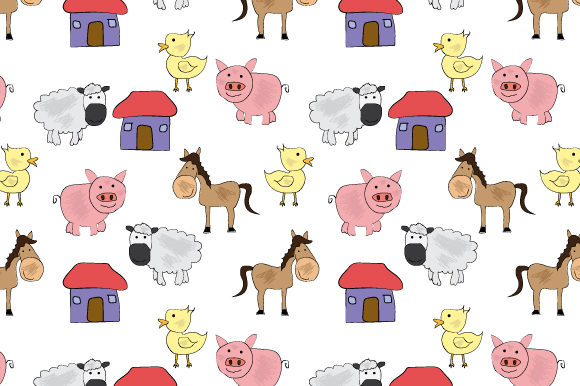
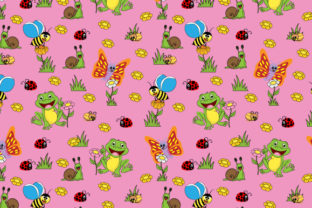
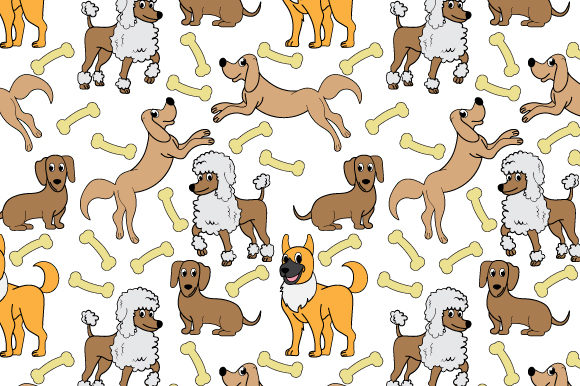
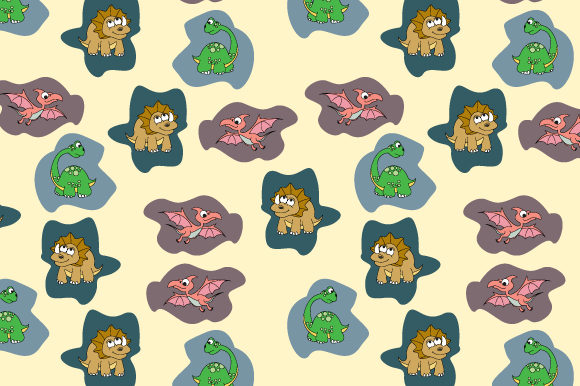
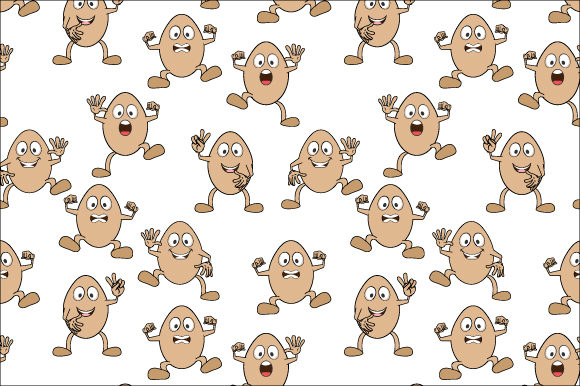
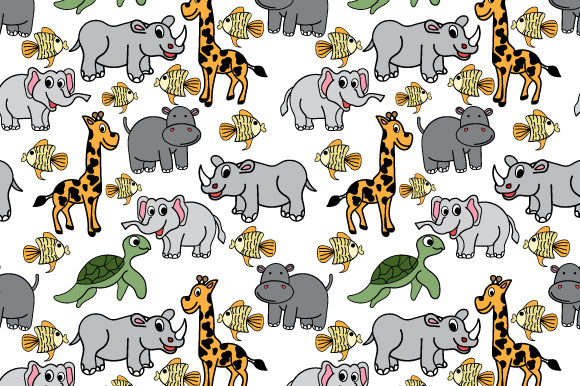
The immediate appeal of the Funny Animal Seamless Pattern lies in its whimsical energy. Unlike rigid geometric repeats, this design breathes. The layout features playful animal silhouettes arranged in a way that suggests movement without clutter. For a craft business looking to create holiday embroidery items or nursery decor, this kind of visual personality is gold. It creates an instant emotional connection with the buyer. However, as a reviewer, I immediately started mentally mapping out how these shapes would translate into fill stitch and satin stitch.
The line work appears clean, which is promising for digitization. In many Patterns, the lines are too thin or too complex, leading to thread breakage or muddy stitching. Here, the animals have distinct outlines that should hold up well. The mood is lighthearted and fun, making it an ideal candidate for custom apparel like kids' sweatshirts or casual tote bags. It feels less like a corporate logo and more like a piece of art meant to be touched and worn.
Real-World Application: From File to Fabric
To truly test the Funny Animal Seamless Pattern, I imagined a specific project: creating a limited run of organic cotton tote bag designs for a local craft fair. Tote bags are tricky because they are often made of textured canvas that can hide details or distort stitches. With this pattern, the larger animal motifs would likely pop beautifully against a natural linen background. The seamless nature of the repeat allows you to cover a large surface area without obvious starting or stopping points, giving the handmade product a professional, mass-produced look that customers love.
I also considered using this for baby embroidery. A personalized onesie or a soft blanket featuring these playful creatures would make an excellent personalized gift. The key here is the scale. Because it is a seamless pattern, you can adjust the size to fit smaller hoop areas for baby clothes while maintaining the integrity of the design. If you were selling these as small shop products, the unique charm of the animals would likely drive higher engagement than generic floral or polka-dot prints.
For the apparel decorator working on sweatshirt embroidery, this pattern offers versatility. You could use it for a full-back print or as a subtle sleeve detail. The contrast between the bold animal shapes and the negative space ensures that even when stitched in a single color, the design remains legible. This is crucial for commercial embroidery where cost-efficiency matters; being able to achieve a great look with fewer thread colors increases your profit margin.
Critical Considerations: Where Caution is Needed
While the Funny Animal Seamless Pattern is versatile, it is not a magic bullet for every situation. As a professional, I must advise caution when applying this to certain materials and contexts. First, consider hoop size. If you attempt to stitch a very small section of this pattern on a tiny cap or a delicate handkerchief, the intricate details of the animals might get lost. Always ensure the smallest elements of the repeat are large enough to be rendered clearly by your machine's needle.
Fabric texture is another major factor. On heavy denim or thick fleece, the fine lines of the animals might struggle to define themselves unless you use a high-density stitch density. Conversely, on stretchy fabrics like jersey knit, the tension required to pull the pattern taut could cause puckering. In these cases, using a tear-away or cut-away stabilizer becomes non-negotiable. Without proper stabilization, the embroidery project will look amateurish, damaging your brand reputation.
Dark fabrics present their own challenge. While the pattern works well on light backgrounds, stitching it on black or navy requires careful planning. You will need a strong underlay to prevent the dark fabric from showing through the top stitches. If you are producing custom apparel for a client who wants this on a dark hoodie, do not skip the testing phase. What looks vibrant in a printable mockup might look dull or muddy in reality.
Technical Workflow and Best Practices
Before committing to a production run, I always recommend a rigorous testing protocol. Since the ZIP file contains SVG 1.1, Ai 10, and EPS 10 formats, you have flexibility in how you manipulate the design before digitizing. Start by importing the digital embroidery file into your preferred software. Check the vector paths for any stray nodes or overlapping lines that could confuse your digitizer.
Once you have your digitized version, test it on scrap fabric identical to your final material. Stitch a sample at full speed and then at a slower speed to see if there are any skipped stitches or thread breaks. Pay close attention to the corners of the animal shapes; sharp angles can sometimes cause thread bunching. If the design includes tiny lettering or very fine details within the animals, consider simplifying those areas to ensure longevity after washing.
Color contrast is vital for visual appeal. Experiment with different thread colors to see what makes the pattern sing. Sometimes, a monochromatic scheme works best for a modern look, while other times, a rainbow palette enhances the "funny" aspect of the design. Always review the stitch count to ensure it fits within your time constraints for commercial embroidery orders. A design that takes too long to stitch can eat into your margins, especially for Etsy sellers operating on tight deadlines.
Final Verdict: Is It Worth Adding to Your Assets?
After evaluating the Funny Animal Seamless Pattern through the lens of practical application, my verdict is positive. It is a robust design asset that bridges the gap between whimsical art and functional textile decoration. It excels in scenarios requiring a cheerful, engaging aesthetic, such as holiday gifts, children's wear, and boutique accessories. The availability of multiple file formats (SVG, AI, EPS) ensures that designers can adapt the pattern to various workflows, whether they are using it for applique design inspiration or direct digitization.
However, success depends on execution. Do not assume the pattern will work perfectly on every surface. Respect the limitations of running stitch on delicate fabrics and invest time in stabilizing your projects. By following best practices—testing on scraps, checking density, and verifying licensing for commercial use—you can transform this Patterns collection into a profitable line of finished products.
For the creative entrepreneur looking to add a touch of joy to their inventory, this pattern is a solid investment. It offers the visual punch needed to grab attention at a craft fair or on an online storefront, provided you treat it with the technical care it deserves. In the world of handmade presentation, details matter, and this design gives you the foundation to build something truly special.