Funny Egg Pattern: A Designer's Real-World Review
As a designer who has spent years navigating the intersection of digital art and physical stitching, I approach every new machine embroidery design with a critical eye. It is not enough for a graphic to look good on a screen; it must survive the translation into thread, stabilizer, and fabric without losing its charm. Today, I am putting the Funny Egg Pattern through that exact lens. This piece sits in the Patterns category as a versatile Graphics asset, but how does it perform when you move from the software to the sewing machine? Let’s dive into what makes this design tick for real-world projects.
First Impressions: Personality and Visual Weight
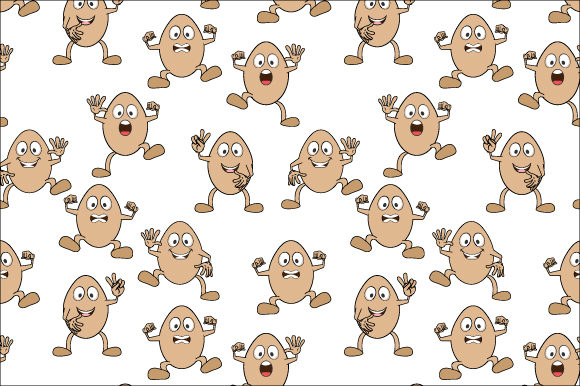
When I first opened the files included in the ZIP package—specifically the SVG 1.1, Ai 10, EPS 10, and JPEG formats—I was immediately struck by the playful energy of the Funny Egg Pattern. The mood is lighthearted and whimsical, perfectly suited for seasonal projects or adding a touch of humor to everyday items. The layout is balanced, avoiding the trap of being too sparse or overly cluttered. In the world of digital embroidery file creation, finding a balance where the design reads clearly at a distance but holds up under close inspection is rare. Here, the curves of the egg shape feel organic, suggesting that the transition from vector lines to fill stitch will be smooth.
The visual personality screams "fun," which makes me think immediately of specific applications. This isn't a formal crest for a corporate uniform; it is a design meant to spark a smile. Whether you are an Etsy seller looking for unique inventory or a hobbyist making gifts for friends, the Funny Egg Pattern offers a distinct character that stands out against more generic floral or geometric motifs. The simplicity of the form suggests it will work well with both satin stitch outlines and dense fill areas, provided the digitization handles the corners correctly.
From Screen to Stitch: Practical Application Scenarios
To truly evaluate this embroidery project, I visualize it on a custom embroidered tote bag. Imagine a sturdy canvas bag, perhaps for a spring market or a holiday giveaway. Placing the Funny Egg Pattern on the front pocket creates an instant focal point. Because the design has a contained shape, it would also translate beautifully into an embroidered patch. Patches are a staple for many craft business owners because they allow for mass production on scrap fabric before ironing them onto jackets, backpacks, or hats.
Consider the application on custom apparel, specifically a sweatshirt. A crewneck sweatshirt offers a flat, stable surface near the chest. If you were to use this as a sweatshirt embroidery element, the bold lines of the egg would likely hold their definition even after multiple washes. For those focusing on baby embroidery, this pattern could be adorable on a onesie or a bib, provided the thread colors are soft and the stitch density is adjusted so the fabric doesn't pucker. The playful nature fits nursery decor perfectly, whether on a pillow cover or a tea towel.
For the small shop product creator, this design opens doors for holiday embroidery collections. Think Easter baskets, spring aprons, or kitchen towels. The versatility allows you to pivot quickly between personal gifts and commercial merchandise. If you are creating a personalized gift, the clean lines of the Funny Egg Pattern leave room for adding small text elements nearby, though you should always test legibility first.
Navigating Challenges: Where Caution is Required
While the potential is high, no embroidery file is universally perfect without adjustments. As a reviewer, I must highlight where the Funny Egg Pattern might face challenges. First, consider the hoop size. If your machine only accommodates a small hoop, ensure the design scales down without losing the facial details that make it "funny." Tiny features can get lost if the scaling is too aggressive, turning a clear expression into a muddy blob of thread.
Fabric texture is another critical factor. On textured fabrics like denim or heavy twill, the stitch density needs to be sufficient to anchor the design. However, on thin or stretchy fabric, such as jersey knit, the design could cause puckering if the stabilizer is not chosen correctly. Always use a tear-away or cut-away stabilizer appropriate for the material weight. Additionally, dark fabrics require careful planning for thread colors. A light-colored egg on a black background might need a backing layer of white underlay stitches to pop, which adds time and thread cost to your commercial embroidery workflow.
Curved surfaces, like caps, present a different challenge. The roundness of the egg might conflict with the curvature of a baseball cap panel. You may need to adjust the placement or slightly modify the shape in your editing software (using the included Ai or EPS files) to ensure the running stitch and fills lay flat against the curve. Finally, avoid placing this design in areas subject to extreme friction, like the cuff of a sleeve, as the detail might wear faster than expected.
Maximizing Value and Professionalism
Using a well-chosen design like the Funny Egg Pattern directly impacts your brand consistency and customer trust. When a finished product looks professional, buyers perceive higher value. The clarity of the stitching shows attention to detail, which is crucial for handmade presentation. If you are selling these items, the design helps build recognition. Customers start to associate your shop with quality and fun aesthetics.
Before committing to a full run, always create a printable mockup to see how the design interacts with your product color. Test the design on scrap fabric first. Check the thread tension, review the stitch density, and inspect small details under bright light. Confirm that the design works for both personal and commercial embroidery projects by reviewing the licensing terms associated with the download. While the file formats provided offer great flexibility, the legal right to sell items made with them is just as important as the technical quality.
Final Verdict for the Maker
The Funny Egg Pattern is a strong contender for anyone looking to inject personality into their portfolio. It bridges the gap between simple Graphics and functional machine embroidery design effectively. Whether you are an experienced decorator or a new Etsy seller, this asset offers a solid foundation for creating memorable items. By respecting the limitations of your materials and testing thoroughly, you can turn this digital file into a tangible, high-quality product that customers will love. Remember, the best designs are not just about the file itself, but how thoughtfully you execute them in the real world.