Funny Cat Pattern: A Designer's Real-World Review
As a designer who has spent years navigating the intersection of digital art and physical stitching, I approach every new machine embroidery design with a critical eye. It is not enough for a file to look good on a screen; it must translate seamlessly into thread on fabric. Today, I am putting the Funny Cat Pattern through its paces. This isn't just another graphic download; it is a potential asset for your craft business, your Etsy shop, or your next personalized gift project. Let's dive into how this specific Graphics file performs when moved from the computer to the hoop.
First Impressions: Personality and Visual Weight
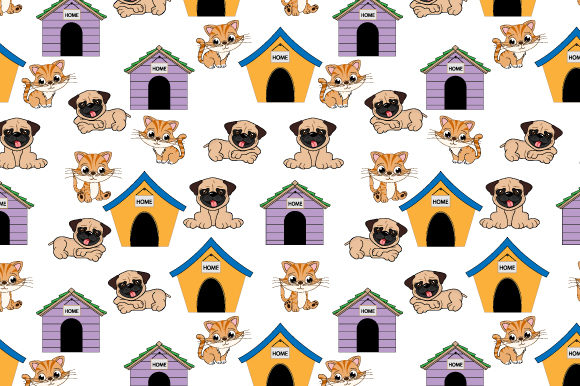
When I first opened the digital embroidery file preview, the immediate mood was playful and lighthearted. The Funny Cat Pattern carries a distinct visual personality that leans heavily into whimsy rather than realism. For designers looking to inject character into their work, this is exactly the kind of asset that stands out. The lines are clean, and the layout suggests a balance between negative space and filled areas, which is crucial for maintaining stitch clarity.
In the world of Patterns, cat motifs are ubiquitous, but this particular design avoids the trap of being generic. The shape feels organic, suggesting that it would hold up well even when scaled down slightly for smaller applications. However, the true test lies in how these lines convert into stitches. Does the humor survive the translation from vector to thread? My initial assessment is promising, provided the execution respects the original line weights.
The Real-World Test: Custom Apparel and Home Goods
To truly evaluate the utility of the Funny Cat Pattern, I visualized it on a few specific projects I have worked on recently. Imagine a custom embroidered tote bag made of heavy canvas. Placing this design on the front pocket or center panel would create an instant focal point. The bold outlines typical of this style ensure that the "funny" aspect remains legible even from a distance, making it perfect for custom apparel where visibility matters.
I also considered its application on a cozy sweatshirt. Sweatshirt embroidery requires a design that can handle the texture of fleece without getting lost. The Funny Cat Pattern seems robust enough for this. If you are an Etsy seller or run a small boutique, offering a limited-run collection of cat-themed hoodies could be a winning strategy during the holiday season. The design fits perfectly into the category of holiday embroidery gifts, appealing to pet lovers who want something more unique than a standard print.
For those working with home decor, such as pillow covers or kitchen towels, the design offers versatility. A tea towel featuring this pattern adds a touch of charm to a kitchen, while a nursery blanket with a softer color palette could serve as a delightful baby embroidery piece. The key here is matching the thread colors to the fabric texture to enhance the handmade appeal.
Creating High-Value Finished Products
One of the biggest concerns for any craft business owner is product value. A poorly stitched design can make a high-quality garment look cheap. Conversely, a well-executed finished product elevates the perceived value significantly. The Funny Cat Pattern has the potential to boost customer trust because it looks professional and intentional. When a buyer sees a crisp, well-defined cat face on a patch or cap, they recognize the effort behind it.
This design works exceptionally well as an embroidered patch. Patches are trending again, and having a versatile design assets library allows you to pivot quickly between different product types. You could sell the patches individually or offer them as kits for DIY enthusiasts. The clear definition of the pattern ensures that even if the edges are trimmed, the image remains intact and recognizable.
Navigating Challenges: Fabric and Hoop Considerations
While the Funny Cat Pattern is versatile, it is not without its limitations. As a reviewer, I must advise caution when using this design on certain materials. Textured fabrics like denim or thick wool can sometimes obscure fine details. If the design relies on thin lines for facial expressions, these might get swallowed by the fabric weave. Always check the stitch density relative to your material.
Hoop size is another critical factor. While the design looks great at a medium scale, shrinking it too much for a small cap or a tiny baby hat could result in a loss of detail. The intricate parts of the cat's expression might blur if the running stitch count becomes too dense for the available space. Similarly, on stretchy fabrics like jersey knit, the tension can distort the image if the wrong stabilizer is used. Always test on scrap fabric first to ensure the shape holds its integrity after washing.
Dark fabrics present another challenge. To make the Funny Cat Pattern pop on black or navy backgrounds, you will likely need an underlay layer. Without it, the top fill stitch might not show up clearly, diminishing the humor and impact of the design. Lighter thread colors against dark fabric require precision to avoid showing the background through gaps in the stitching.
Practical Notes for the Professional Designer
If you decide to incorporate the Funny Cat Pattern into your workflow, here are my essential recommendations based on real-world experience:
- Test First: Never skip the test run on a scrap piece of the actual fabric you plan to use. This helps you gauge thread tension and stabilizer needs.
- Color Contrast: Experiment with different thread colors to see which combination makes the cat's features stand out most effectively. High contrast usually yields the best results for humorous designs.
- Mockups Matter: Before selling, create a printable mockup to visualize how the design sits on the final product. This helps in marketing and setting realistic expectations for customers.
- Licensing Check: Since the ZIP file contains SVG 1.1, Ai 10, EPS 10, and JPEG formats, verify the licensing terms. Ensure you are permitted to use the design for commercial embroidery if you intend to sell the finished goods.
- Stitch Density Review: Inspect the file settings to ensure the density isn't too high for delicate fabrics, which could cause puckering.
Final Verdict for Makers and Entrepreneurs
The Funny Cat Pattern is a solid addition to any designer's toolkit, particularly for those focusing on personalized gifts and fun, approachable merchandise. It strikes a balance between simplicity and character, making it suitable for a wide range of embroidery projects. Whether you are creating a one-off personalized gift for a friend or scaling up production for your small shop product line, this design offers reliable performance.
However, success depends on your attention to detail. Respect the limits of your machine and materials, choose the right stabilizer, and always prioritize quality over speed. When executed correctly, this embroidery file can become a signature element of your brand, driving engagement and sales. For hobbyists and professionals alike, it represents a low-risk, high-reward opportunity to add some feline flair to your portfolio.