Funny Character Pattern: A Designer's Real-World Review
As a designer who has spent years turning digital files into tangible stitched goods, I approach every new Graphics download with a mix of excitement and skepticism. The market is flooded with assets that look perfect on a screen but fall apart under the needle. Today, I am putting the Funny Character Pattern through its paces to see if it holds up for real commercial embroidery projects. This isn't just about downloading an SVG or AI file; it is about understanding how this specific design translates from a pixelated preview to a finished product you can sell or gift.
First Impressions: Visual Personality and Design Intent
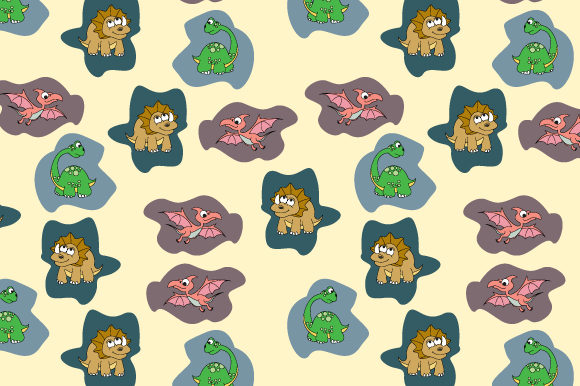
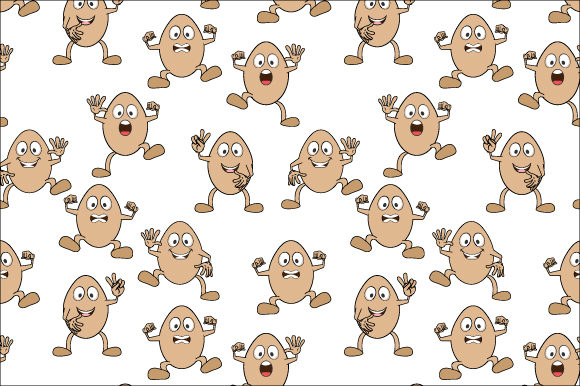
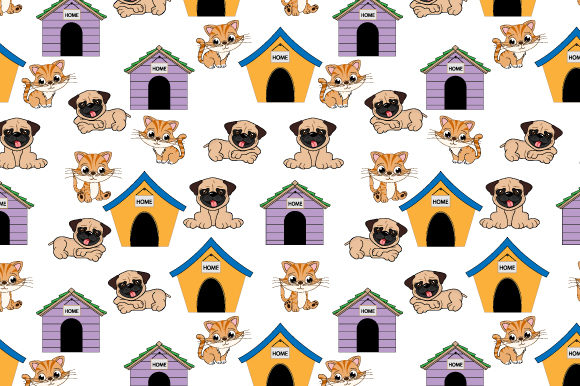
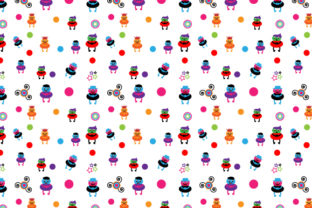
When I first opened the Funny Character Pattern in my vector software, the mood was immediately clear. It exudes a playful, whimsical energy that feels right at home in the nursery decor or custom apparel space. The shapes are bold enough to survive the translation to thread, yet they possess enough character detail to feel unique. Unlike many generic clip-art style designs found in the Patterns category, this one has a distinct visual personality. It suggests a narrative, which is crucial for engaging customers browsing Etsy listings or craft fair tables.
The layout is balanced, avoiding overly dense areas that often cause puckering on stretchy fabrics. However, as I zoomed in, I noticed some fine lines that will require careful attention during digitization or machine setup. If you are planning to use this as a machine embroidery design, you need to ensure your stitch density settings are calibrated correctly. Too much fill stitch in the face area could flatten the character's expression, while too little might leave gaps that ruin the professional look of your handmade product.
Testing the Waters: A Custom Tote Bag Scenario
To truly evaluate this asset, I imagined a specific project: a line of custom embroidered tote bags for a local boutique. The goal is to create a tote bag design that stands out against the sea of plain canvas options. I loaded the Funny Character Pattern into my digitizing software, converting the provided SVG 1.1 format and Ai 10 format files into a stitchable path.
In this scenario, the character works beautifully on the front panel of a natural cotton tote. The contrast between the white fabric and the proposed thread colors—perhaps a vibrant coral and navy blue—creates immediate visual appeal. The design is large enough to be seen from a distance but not so massive that it overwhelms the bag's structure. For a small business owner, this kind of versatility is gold. You can use the same embroidery file for a sweatshirt embroidery project by simply scaling it down slightly, maintaining the integrity of the character's features.
However, the test revealed a potential pitfall. When I simulated the design on a darker background, the lighter details of the character began to blend in. This is a critical lesson for any Etsy seller: always test your digital embroidery file on both light and dark fabric backgrounds before committing to a production run. The JPEG preview included in the download helps, but nothing replaces seeing the actual thread interaction with the fabric texture.
Navigating Fabric Challenges and Hoop Limitations
While the Funny Character Pattern is versatile, it is not without limitations. If you are considering using this for baby embroidery on a onesie, you must be cautious. Onesies are made of thin, stretchy knit fabric. Placing a design with significant stitch density in the center of a chest panel can cause the garment to pucker or lose its shape after washing. In this case, I would recommend using a heavy-duty cutaway stabilizer and perhaps reducing the size of the design to fit within a smaller hoop size.
Similarly, attempting to embroider this pattern onto a curved surface like a cap requires extra care. The rounded brim of a hat distorts the straight lines of the character's limbs or accessories. Unless the design has been specifically optimized for caps, the result might look distorted. For holiday embroidery projects involving hats, I suggest testing the design on scrap fabric first to check how the curves interact with the stitch direction.
Another area requiring caution is detailed corners. If the character has tiny hands or feet, these are prime candidates for thread breakage or misalignment. On textured fabrics like denim or fleece, the needle might skip over the raised loops, leading to a messy finish. Always inspect small details closely. If the running stitch outlining the character is too tight, it can tear delicate fabrics. Adjusting the pull compensation in your machine settings is essential here.
Commercial Viability and Brand Consistency
For creative entrepreneurs building a brand, consistency is key. The Funny Character Pattern offers a strong foundation for a cohesive collection. Whether you are making embroidered patch sets, personalized gifts, or commercial embroidery merchandise, the design's friendly aesthetic builds customer trust. People buy handmade items because they want something with soul, and a well-executed character design adds that emotional connection.
However, before selling finished items, you must confirm the licensing terms. While the download includes EPS 10 format and other vector files, the license might restrict how many items you can sell or whether you can resell the digital file itself. Never assume you have full commercial rights until you read the fine print. Using a design without proper authorization can damage your reputation and lead to legal issues. Ensure that your use aligns with the creator's guidelines to maintain professionalism in your craft business.
Practical Notes for the Serious Maker
If you decide to move forward with the Funny Character Pattern, follow these practical steps to ensure a flawless result:
- Test on Scrap Fabric: Never skip this step. Stitch the design on a piece of the actual fabric you plan to use. Check for puckering, skipped stitches, and color accuracy.
- Check Thread Contrast: Ensure the thread colors pop against the background. A dull design looks unprofessional, regardless of how good the stitching is.
- Review Stitch Density: If the design feels too heavy, lighten the fill areas. If it looks sparse, add more rows of satin stitch or adjust the underlay.
- Confirm Hoop Size: Make sure the design fits comfortably within your hoop without stretching the edges, which causes distortion.
- Use Proper Stabilizer: Match the stabilizer to the fabric weight. Knits need cutaway; wovens might only need tear-away.
- Create Printable Mockups: Use the JPEG file to create realistic printable mockup images for your shop. Customers need to visualize the final look before buying.
- Inspect Small Details: Zoom in on the eyes, mouth, and accessories. These define the character's personality and must be crisp.
The Funny Character Pattern is a solid addition to any designer's library, provided you respect its limitations and prepare your materials accordingly. It bridges the gap between simple Graphics and functional design assets that can drive sales and delight customers. By treating it with the care it deserves, you can turn a simple download into a standout feature of your finished product.