Funny Insect Pattern: A Designer's Practical Review
As a designer who has spent years navigating the gap between digital graphics and physical stitched products, I approach every new asset with a critical eye. The market is flooded with generic vectors that look great on a screen but fall apart under a needle. When I first opened the files for Funny Insect Pattern, my goal was simple: determine if this design holds up in a real-world embroidery project or if it belongs in the "do not use" pile. This review breaks down exactly how this pattern performs when you move from the computer to the machine.
First Impressions: Visual Personality and Design Intent
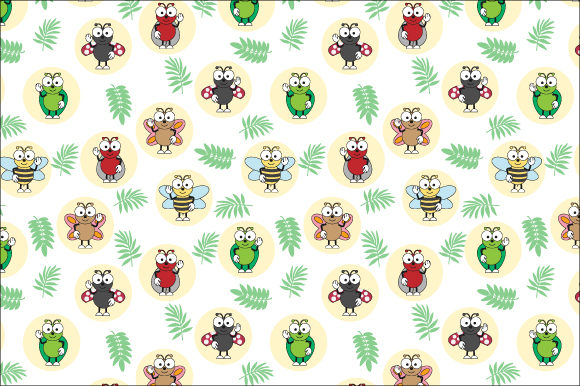
The moment you view the JPEG preview of Funny Insect Pattern, the mood is immediately established. It is playful, slightly whimsical, and clearly designed to bring a smile to a customer's face. Unlike rigid botanical patterns or serious heraldic crests, this design leans heavily into character. The shapes are bold enough to be recognizable even at a distance, which is crucial for any custom apparel item where visibility matters.
From a layout perspective, the insect figures have a balanced weight. They do not feel top-heavy or awkwardly stretched. For an Etsy seller or boutique owner looking to add personality to their inventory, this kind of visual clarity is gold. It suggests that the design can translate well into various formats, whether you are creating a standalone embroidered patch or integrating it into a larger composition on a sweatshirt. The graphic nature of the file means the lines are clean, reducing the risk of jagged edges that often plague lower-quality machine embroidery designs.
Real-World Application: From File to Fabric
To truly understand the value of Funny Insect Pattern, I imagined a specific scenario: preparing a line of summer tote bags for a local craft fair. Tote bags are tricky because they are handled frequently, washed often, and viewed from multiple angles. Using this pattern for a tote bag design, I could see how the bold outlines would pop against a natural canvas background.
In this context, the design works exceptionally well as a focal point. If I were to place the insects near the bottom corner of the bag, they would act as a charming signature detail without overwhelming the product. For a small shop product like a kitchen towel or an apron, the whimsical theme fits perfectly. Imagine a child’s nursery decor; these insects would be delightful on a pillow cover or a blanket, provided the stitch density is managed correctly to keep the fabric soft.
For apparel decorators working on sweatshirt embroidery, the design offers flexibility. You could scale it up for a large back print or shrink it down for a chest logo. However, scaling requires caution. While the vector formats included—SVG 1.1, Ai 10, and EPS 10—allow for infinite resizing, the physical limitations of your machine and hoop size still apply. The intricate details of the insect wings and legs need to be evaluated against the stitch density settings of your software to ensure they don't become muddy blobs of thread.
Navigating Technical Challenges and Fabric Choices
While Funny Insect Pattern is versatile, there are scenarios where it demands careful handling. One of the most common pitfalls in commercial embroidery is using detailed designs on textured fabrics. If you attempt to stitch this pattern onto a heavy corduroy or a thick fleece without adjusting the digitization, the texture of the fabric might fight with the fill stitch, causing the design to lose definition.
Similarly, dark fabrics present a challenge. The current color palette in the preview assumes a light background. To make this work on black denim or navy cotton, you will need to plan for a dense underlay or consider an applique design technique where the fabric itself provides the base color. Without proper planning, the bright colors of the insects might get lost or appear dull against a dark backdrop.
Another area of concern is the hoop size. If you are working with small items like caps or baby onesies, you must check the dimensions of the final design. Some parts of the insect legs or antennae might be too thin for a standard cap hoop, leading to breakage during stitching or poor registration. Always test the design on scrap fabric first. This step is non-negotiable for any professional. Run a test in black and white mockups to visualize the contrast before committing expensive thread and time to a client order.
Maximizing Value for Your Craft Business
For the creative entrepreneur, the true value of Funny Insect Pattern lies in its ability to elevate a basic item into a personalized gift or a branded statement piece. When customers buy handmade goods, they are paying for the aesthetic and the perceived quality. A well-executed embroidery project using this pattern signals professionalism. It shows that you care about the details, from the choice of thread colors to the stability of the backing.
Using this design consistently across your product line can help build brand recognition. Whether you are selling holiday embroidery kits or finished handmade products, having a cohesive visual style makes your shop memorable. The playfulness of the insects invites engagement. Customers are more likely to stop scrolling on social media or pause at a craft fair booth when they see something that evokes emotion or humor.
However, remember that the digital file is just the starting point. The finished product depends entirely on your execution. Ensure you use the correct stabilizer for the fabric type. A tear-away stabilizer might work for a sturdy tote, but a cut-away is essential for stretchy knits to prevent distortion. Also, verify the licensing terms included with your purchase. If you intend to sell the physical items, confirm that the license covers commercial embroidery usage. If you plan to resell the digital embroidery file itself, that usually requires a different tier of permission.
Final Verdict: Is It Worth Adding to Your Library?
After reviewing the files and simulating several use cases, Funny Insect Pattern earns a solid recommendation for designers who want to add fun and character to their portfolio. It is not a one-size-fits-all solution, but for the right project—like a baby embroidery set, a quirky custom apparel line, or a unique embroidered patch collection—it shines.
The inclusion of SVG, AI, and EPS formats ensures compatibility with most modern design workflows, allowing you to tweak the design if necessary before sending it to the machine. Just remember to respect the limits of your equipment and fabric. Test thoroughly, choose your stabilizers wisely, and let the personality of the design guide your creative choices. With the right execution, this pattern can become a best-seller in your shop, proving that even the smallest creatures can make a big impact in the world of Patterns and Graphics.