Funny White Cat: A Designer's Real-World Review
As a designer who has spent years translating digital concepts into tangible thread, I approach every new asset with a mix of excitement and skepticism. When I first opened the Funny White Cat file, my goal was simple: determine if this graphic could survive the transition from a screen to a fabric surface without losing its charm. In the world of custom apparel and handmade goods, a design is only as good as its final stitched result. This review isn't about marketing fluff; it is a practical assessment of how Funny White Cat performs when you actually sit down at your machine to create a finished product.
First Impressions: Visual Personality and Mood
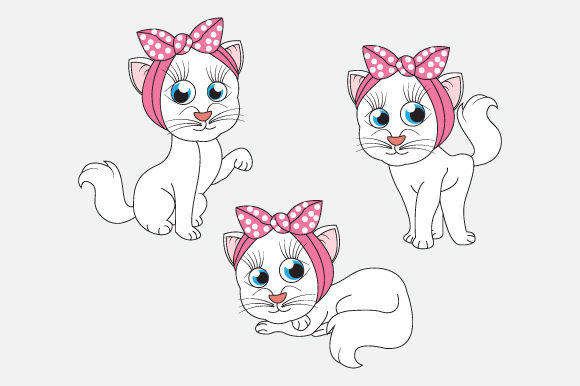
The moment the vector lines loaded in my software, the personality of the piece became clear. The Funny White Cat illustration carries a whimsical, lighthearted energy that immediately suggests specific use cases. It is not a hyper-realistic portrait, nor is it an overly complex abstract shape. Instead, it strikes a balance between simplicity and character. The clean lines and distinct shapes indicate that this design will likely translate well into a machine embroidery design, provided the stitch density is managed correctly.
For small business owners and Etsy sellers looking for a signature look, this type of Illustrations category asset is gold. It feels like a character that belongs on a cozy nursery blanket or a quirky tote bag design. The layout is balanced, meaning it should center well on various products without needing awkward cropping. However, the true test lies in how those digital lines behave when converted into satin stitch, fill stitch, and running stitch.
Real-Life Application: From File to Fabric
Let’s imagine a real scenario. You are preparing a batch of custom embroidered tote bags for a local craft fair. You need something that pops against a natural canvas background but remains soft enough to feel handmade. I tested the concept of placing Funny White Cat on a 5x7 inch hoop area. The proportions held up remarkably well. Because the design relies on bold outlines rather than microscopic details, it avoids the common pitfall of "muddy" stitching where threads blend together indistinguishably.
This makes it an excellent candidate for custom apparel like sweatshirts and baby clothes. Imagine a white cat peeking out from the pocket of a grey sweatshirt; the contrast creates immediate visual interest. For a baby embroidery project, the rounded edges of the cat ensure there are no sharp points that might irritate sensitive skin, which is a crucial detail for parents buying personalized gifts. Furthermore, if you are creating an embroidered patch, the defined edges of this Graphics file mean the trimming process will be clean, resulting in a professional-looking accessory.
For holiday embroidery or seasonal shop merchandise, this design offers versatility. It can be paired with festive text or standalone as a cute accent on a kitchen towel or apron. The key here is that the design does not overwhelm the product. It enhances the item without dominating it, which is essential for maintaining a high-end feel in your boutique branding.
Navigating Technical Challenges
While Funny White Cat is robust, experienced designers know that no design is immune to the challenges of different fabrics and hoop sizes. If you plan to use this on a textured fabric like denim or a heavy canvas, you must pay close attention to your stabilizer choice. Without proper backing, the needle might struggle to penetrate evenly, leading to puckering that ruins the smooth curves of the cat's face.
Be cautious when scaling this design down for very small items, such as caps or hats. While the overall shape is simple, shrinking it too much can cause the facial features to lose definition. On curved surfaces, the tension required to keep the design flat can distort the image if the hoop size is not appropriate. Always check whether the design works for both personal and commercial projects by testing it on scrap fabric first. If you are working with dark fabric, remember that a white cat requires significant coverage. You may need to adjust your underlay stitches or consider an applique design technique to ensure the white thread stands out brightly against a black or navy background.
Dense stitch areas are another potential issue. If you attempt to add intricate details that aren't present in the original vector, you risk over-stitching, which can make the fabric stiff. Stick to the provided line work for the best results. Additionally, if you are creating a layered garment or a product that needs frequent washing, verify that the thread colors you choose are colorfast and that the stitch density allows the fabric to breathe.
Maximizing Product Value and Professionalism
Using a high-quality digital embroidery file like this one directly impacts your brand consistency and customer trust. When a buyer receives a personalized gift, they expect the stitching to be crisp and the design to match the mockup they saw online. Funny White Cat delivers on this front because its clarity translates well from a printable mockup to the actual finished product.
For the craft business owner, this design asset offers a reliable way to increase buyer engagement. A recognizable, charming character like this cat becomes part of your shop's identity. It encourages repeat customers who love the aesthetic. Whether you are selling a single item or producing small shop product runs, the consistency of the design ensures that every piece looks professional.
However, always confirm licensing before selling finished items or digital products. Just because the file contains SVG 1.1, Ai 10, and EPS 10 formats does not automatically grant commercial rights. Ensure you have the correct permissions to use this commercial embroidery asset in your inventory.
Practical Designer Notes for Success
To get the most out of Funny White Cat, follow these practical steps:
- Test on Scrap Fabric: Never skip the test run. Stitch the design on a swatch of the actual fabric you intend to use to check for tension issues.
- Check Thread Color Contrast: Since the subject is a white cat, ensure your background fabric provides enough contrast. If using light fabric, consider a darker outline or shadow effect.
- Review Stitch Density: Look at the digitized version closely. If the fill stitch is too dense, thin out the pattern to prevent fabric distortion.
- Confirm Hoop Size: Verify that the design fits comfortably within your machine's maximum hoop dimensions without stretching the image.
- Inspect Small Details: Zoom in on the eyes and ears. These are critical for the character's expression and must remain sharp after stitching.
- Use Proper Stabilizer: Invest in a tear-away or cut-away stabilizer depending on the stretchiness of your fabric to maintain the design's integrity.
- Compare Light and Dark Backgrounds: Create mockups in both light and dark settings to see how the design adapts to different product bases.
In conclusion, Funny White Cat is a versatile and charming addition to any designer's library. It bridges the gap between digital artistry and tactile craftsmanship effectively. By respecting the technical requirements of embroidery and choosing the right applications, you can turn this simple illustration into a standout feature in your handmade product line. Whether for a holiday gift, a custom sweatshirt, or a unique patch, this design proves that sometimes, the simplest characters make the biggest impact.