Funny Insect: A Practical Embroidery Design Review
As a designer who has spent years translating digital files into tangible thread on fabric, I approach every new machine embroidery design with a specific set of questions. Will the lines hold up under tension? Is the detail too fine for a standard cap hoop? Does the character have enough personality to sell itself on a finished product? When I first opened the package for Funny Insect, I was looking for answers to these very questions. This isn't just another generic graphic; it is a piece of art intended to become a handmade product, and that transition from screen to stitch requires careful scrutiny.
First Impressions: Character and Visual Weight
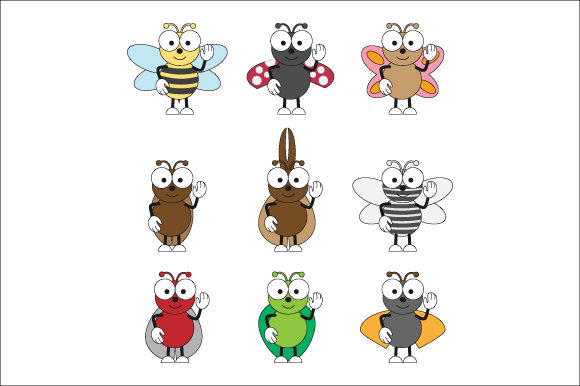
The moment you load the digital embroidery file into your software, the mood of Funny Insect becomes immediately apparent. It falls squarely into the category of playful Illustrations designed to bring a smile to a customer's face. The shape is distinct, avoiding the common pitfall of overly complex silhouettes that often get lost in the stitching process. The layout feels balanced, suggesting that whether you are working on a flat surface like a tote bag or a curved surface like a hat, the proportions will likely remain true.
Visually, the design leans heavily on bold outlines and clear shapes rather than microscopic details. For an embroidery project, this is a massive advantage. High-detail vector art often translates poorly to thread because the stitch density required to render tiny features can cause puckering or blocking. Funny Insect seems to understand the limitations of the medium. The visual personality is quirky and engaging, making it a strong candidate for custom apparel where the goal is instant recognition and appeal.
Real-World Application: From File to Fabric
Let’s talk about how this actually performs in a real shop scenario. Imagine you are preparing a line of personalized gifts for the upcoming holiday season. You need something versatile enough to work on a cozy sweatshirt but also cute enough for a baby item. Funny Insect fits this bill perfectly. I can envision this design as a central motif on a sweatshirt embroidery project, perhaps placed on the chest pocket area. The scale would allow for a generous use of fill stitch without overwhelming the garment.
For the Etsy seller or small shop owner, versatility is key. This design works exceptionally well as an embroidered patch. If you are producing patches for sale, the clean lines of Funny Insect ensure that the edges remain crisp even when cut out. It also translates beautifully to home decor items. Picture a kitchen towel or a pillow cover featuring this insect; the whimsical nature adds a touch of charm that elevates a basic household item into a boutique-worthy piece. The design is robust enough to handle the wear and tear of a tote bag design, which is essential for customers who want their bags to last through multiple washes.
When considering commercial embroidery for client orders, such as team shirts or event merchandise, the clarity of the image is vital. Because the design relies on strong shapes, it maintains its integrity even at smaller sizes. However, as with any Graphics asset, you must always test the hoop size relative to your final placement. While the design is flexible, pushing it too small could compromise the definition of the facial features or limbs.
Navigating Technical Challenges and Fabric Choices
While Funny Insect is forgiving, it is not immune to the physical realities of embroidery. There are specific scenarios where caution is required. If you plan to use this on textured fabrics like denim or canvas, the texture might interfere with the finer lines of the design. You may need to adjust your stabilizer choice to ensure the fabric doesn't shift during stitching, which could blur the insect's expression.
Working with stretchy fabric presents another challenge. On a jersey t-shirt or a knit hat, the fabric moves. Without proper stabilization, the running stitch or outline stitches used in Funny Insect might distort. Always test on scrap fabric first to see how the tension affects the shape. Similarly, if you are embroidering on dark fabric, you will need to consider the background fill. A simple white backing might not be enough; you may need to add a layer of underlay or a light-colored base to make the colors pop. The contrast between the thread colors and the fabric is what gives the design its life.
Be particularly careful with detailed corners and tight curves. While the design is generally clean, some areas might require a slower machine speed to prevent thread breaks. If you are using this for caps or other curved surfaces, remember that the needle angle changes across the curve. What looks perfect on a flat screen might look slightly different once stitched onto a dome. Always review the printable mockup against a physical sample to ensure the perspective holds up.
Strategic Value for Your Craft Business
For the creative entrepreneur, the value of Funny Insect lies in its ability to enhance brand consistency and customer trust. A well-executed embroidery job signals quality. When a customer receives a finished product with a sharp, vibrant design, they perceive higher value. This design helps you stand out in a crowded market of generic prints. It offers a unique selling point for your craft business, allowing you to create cohesive collections around themes of nature, humor, or whimsy.
The impact on giftability is also significant. People love buying things that feel personal and handmade. An item featuring Funny Insect feels special because it is clearly thought-out and professionally stitched. Whether it is a baby embroidery gift for a shower or a fun addition to a friend's wardrobe, the design invites engagement. It sparks conversation, which is exactly what you want for small shop merchandise.
Practical Designer Notes for Success
To get the most out of this embroidery file, follow these practical steps:
- Test on Scrap Fabric: Never skip the test run. Stitch out Funny Insect on a piece of the actual fabric you intend to use to check for puckering and color accuracy.
- Check Thread Contrast: Ensure the thread colors selected provide enough contrast against the background fabric. Low contrast can make the design look muddy.
- Review Stitch Density: If you notice the design pulling the fabric, reduce the density of the fill stitch areas to relieve tension.
- Confirm Hoop Size: Verify that the design fits comfortably within your hoop without being cramped, especially if you are adding text nearby.
- Inspect Small Details: Zoom in on the eyes and antennae of the insect. Ensure these tiny elements are large enough to stitch cleanly without breaking threads.
- Use Proper Stabilizer: For thin fabric or stretchy materials, use a cut-away stabilizer to support the weight of the thread over time.
- Licensing Check: Before selling finished products or creating digital product previews, confirm the licensing terms. Ensure you are allowed to use Funny Insect for commercial purposes and understand any restrictions on selling the design assets themselves.
In conclusion, Funny Insect is a reliable and charming addition to any designer's library. It balances artistic flair with technical practicality, making it an excellent choice for everything from holiday embroidery to everyday apparel decoration. By respecting the nuances of the medium and following sound design practices, you can turn this digital file into a standout piece that your customers will love.