Skeleton Line Art Style: A Designer's Review
As someone who has spent years navigating the intersection of digital design and physical stitching, I approach every new machine embroidery design with a critical eye. It is not enough for a file to look good on a screen; it must translate beautifully into thread. Today, I am evaluating the Skeleton Line Art Style, a piece marketed as a funny design perfect for creating a variety of Halloween-themed crafts and design compositions. Before you download this embroidery file or list it in your shop, let us walk through exactly how this asset performs in a real-world workflow.
First Impressions: Mood and Visual Personality
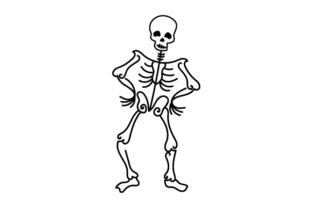
When I first opened the preview of the Skeleton Line Art Style, the immediate reaction was one of playful nostalgia. Unlike heavy, gothic skeleton illustrations that rely on dense shading, this design leans into a minimalist aesthetic. The lines are clean, the pose is whimsical, and the overall mood strikes that perfect balance between spooky and cute. This is not a design meant to terrify; it is designed to charm.
For an Etsy seller or a boutique owner, visual personality is everything. This particular line art suggests a modern, trendy vibe that fits well with current craft trends. It feels less like a traditional costume element and more like a graphic tee print brought to life with thread. The simplicity of the layout means it will likely stitch out quickly, which is a massive advantage when you are managing a queue of orders for a seasonal rush. However, the lack of intricate fill areas means the success of the final product relies heavily on line quality and stitch definition.
Testing the Design: A Real-World Sweatshirt Project
To truly understand the utility of the Skeleton Line Art Style, I imagined a specific scenario: preparing a custom embroidered sweatshirt for a local craft fair. Imagine a heavyweight, heather-grey crewneck destined for a customer who wants something subtle yet festive. I placed the design mentally on the left chest area. Here, the line art shines. Because the design avoids complex gradients, it would likely utilize a combination of running stitch and narrow satin stitch borders to define the bones.
In this context, the Skeleton Line Art Style becomes a statement piece without overwhelming the garment. If I were to use a bright orange or neon green thread against the grey fabric, the contrast would pop, making the finished product stand out in a crowded marketplace. For a personalized gift, perhaps adding a small name tag below the skeleton using a complementary font could elevate the item from a generic craft to a cherished keepsake. The design’s flexibility allows it to work equally well on a tote bag design where the canvas texture adds a rustic touch, or even as a small detail on a baby embroidery project, provided the scale is adjusted correctly to ensure safety and comfort.
Navigating Fabric and Hoop Challenges
While the design is versatile, experienced designers know that no digital embroidery file is foolproof. There are specific situations where the Skeleton Line Art Style requires careful handling. First, consider the hoop size. While line art can be scaled, shrinking it too much for a tiny embroidered patch or a cap front risks losing the clarity of the bone structure. If the lines become too thin, they may disappear into the fabric weave or break during stitching.
Fabric choice is another critical factor. On textured fabrics like terry cloth towels or thick denim, the fine lines might get lost if the stitch density is not optimized. You may need to increase the thickness of the satin stitches slightly to ensure visibility. Conversely, on thin or stretchy fabrics like jersey knit, the tension required for crisp line work could cause puckering. In these cases, using a high-quality stabilizer is non-negotiable. Without proper backing, the delicate nature of the line art could result in a wavy, unprofessional finish that undermines the quality of your handmade product.
Dark fabrics also present a unique challenge. Since the description mentions receiving a Transparent PNG, it implies the design works well with overlays, but in embroidery, dark backgrounds require light threads or underlays to make the white or colored lines visible. If you plan to use this for Halloween merchandise on black shirts, test your thread colors first to ensure the skeleton does not blend into the background.
Commercial Viability and Brand Consistency
For creative entrepreneurs running a craft business, consistency is key to building brand trust. The Skeleton Line Art Style offers a cohesive look that can be applied across various product lines. Whether you are selling custom apparel, pillow covers, or kitchen towels, this design provides a recognizable motif that customers can associate with your brand. Its "funny" and lighthearted nature makes it highly shareable on social media, which drives engagement and sales.
However, before listing items for sale, you must confirm the licensing terms. Just because you received the design in SVG, Transparent PNG, EPS, and D formats does not automatically grant commercial rights for all applications. Always verify if you can sell the finished product or if there are restrictions on the number of items sold. Using a design legally protects your reputation and ensures longevity for your shop.
Practical Designer Notes for Success
If you decide to incorporate the Skeleton Line Art Style into your next project, follow these practical steps to ensure a flawless result:
- Test on Scrap Fabric: Never skip the test run. Stitch the design on a scrap piece of the actual fabric you intend to use to check for puckering and thread tension.
- Check Thread Contrast: Ensure your chosen thread colors provide enough contrast against the fabric. A white skeleton on a cream shirt might be invisible.
- Review Stitch Density: Inspect the file settings. If the lines are too sparse, they may look flimsy; if too dense, they may tear the fabric.
- Confirm Hoop Size: Measure the design dimensions against your machine hoop to avoid clipping edges or excessive re-hooping.
- Use Proper Stabilizer: Invest in cut-away stabilizer for knits and tear-away for wovens to support the delicate line work.
- Mockup Testing: Create a printable mockup in black and white to visualize how the design sits on different products before committing to thread.
- Inspect Small Details: Zoom in on the digital file to ensure no stray points or disconnected lines exist that could cause thread breaks.
The Skeleton Line Art Style is a solid addition to any designer's library, particularly for those looking to expand their holiday embroidery offerings. It bridges the gap between simple decoration and artistic expression, offering a fresh take on a classic theme. By understanding its strengths and limitations, you can leverage this design asset to create high-quality, market-ready goods that delight customers and strengthen your professional standing in the handmade community.