Goat Character Design: A Designer's Embroidery Review
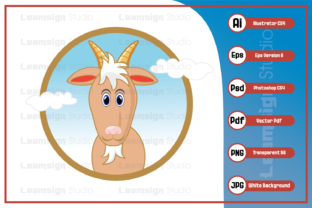
As a designer who has spent years translating digital concepts into tangible thread, I approach every new asset with a mix of excitement and skepticism. When I first opened the Goat Character Design, my immediate reaction was to assess its potential beyond the screen. This is not just another graphic; it is a funny cartoon character goat logo design that promises versatility for logos, illustrations, animations, and t-shirt designs. However, the real test lies in how this vector art translates when converted into a machine embroidery design. The main file includes vector files with 100 vector elements that are openable and editable, which is a significant advantage for customization, but it raises questions about stitch density and complexity.
First Impressions: Personality and Shape
The visual personality of the Goat Character Design is undeniably playful. The lines are bold, and the expression carries a humorous charm that immediately suggests a fun, lighthearted brand identity or a whimsical personalized gift. In the realm of Icons and Graphics, finding a subject with such distinct character traits is rare. For an Etsy seller or a small shop product owner, this kind of design can be a game-changer for creating unique merchandise that stands out on a crowded shelf. The layout is balanced, which is crucial when considering how the design will sit on various surfaces. However, as I zoomed in on the 100 vector elements, I began to think critically about how these details would hold up under the needle.
Real-World Application: From Screen to Stitch
Imagine you are preparing a custom embroidered tote bag for a local craft fair. You want something that catches the eye from a distance but also invites closer inspection. The Goat Character Design fits this scenario perfectly. Its cartoon nature means it relies on clear shapes rather than photorealistic shading, making it an excellent candidate for fill stitch and satin stitch combinations. When I visualize this on a canvas tote bag, the bold outlines suggest strong definition, even if the fabric texture is slightly rough. Similarly, for sweatshirt embroidery, the design’s inherent humor makes it an ideal choice for casual wear. Customers often look for apparel that expresses their personality, and a funny cartoon character goat logo design delivers exactly that.
Consider a different angle: baby embroidery. Parents love cute, friendly animals for nursery decor, blankets, and onesies. The gentle curves and non-threatening expression of this goat make it suitable for baby items. If you were to create an embroidered patch for a backpack or a hat, the design’s compact nature allows it to work well within standard hoop sizes. For holiday embroidery projects, this character could be easily adapted with seasonal accessories, turning a simple graphic into a limited-edition holiday gift. The fact that the file is openable and editable means you can tweak the colors to match specific themes without starting from scratch.
Stitching Clarity and Fabric Considerations
While the design looks great digitally, practical embroidery requires careful planning. One of the primary concerns with any complex vector file is stitch density. With 100 vector elements, there is a risk of over-stitching if the conversion is not handled correctly. High stitch density can lead to puckering, especially on thin fabric or stretchy material like jersey knit. Before committing to a final run, I always advise testing the design on scrap fabric first. This step is non-negotiable for ensuring the finished product looks professional.
Fabric texture plays a massive role here. On a smooth cotton tee, the Goat Character Design will likely pop with vibrant thread colors. However, on textured fabrics like denim or wool blends, some of the finer details might get lost. In those cases, simplifying the design by merging smaller vector elements can improve clarity. For dark fabric backgrounds, the contrast becomes critical. You may need to adjust the thread colors or add a backing layer to ensure the character remains visible. Always compare light and dark fabric backgrounds during your mockup phase to avoid disappointing results.
Navigating Challenges: Where Caution is Needed
Not every project is a perfect fit for every design. There are scenarios where the Goat Character Design should be used with caution. Small hoop sizes present a challenge because the intricate details of the 100 vector elements might become indistinguishable when scaled down. If you are working on a cap or a curved surface, the tension of the fabric combined with tight corners can cause stitching errors. Tiny lettering or decorative accents added to the design might also suffer in quality if the hoop size is insufficient.
Furthermore, products that need frequent washing require durable stitching. If the design relies heavily on running stitch for fine details, those areas might fray over time. It is essential to review the stitch types used in the digitized version. Satin stitch is generally more durable for outlines, while fill stitch works well for larger areas. Ensure that the stabilizer you choose supports the weight of the thread and the tension of the machine. Using proper stabilizer is key to maintaining the integrity of the handmade product, especially for items like aprons or kitchen towels that undergo regular laundering.
Enhancing Visual Appeal and Brand Value
When executed correctly, the Goat Character Design significantly boosts the visual appeal of a project. It adds a layer of professionalism and creativity that elevates a basic item into a boutique product. For a craft business, having a cohesive set of design assets like this helps build brand consistency. Customers trust brands that pay attention to detail, and a well-executed embroidery project signals quality. Whether you are selling custom apparel or creating a personalized gift, the recognition value of a unique character design cannot be overstated.
For digital product sellers, offering this as part of a commercial embroidery package can attract buyers looking for ready-to-use assets. However, always confirm licensing before selling finished items or digital products. Just because the file is openable and editable does not automatically grant commercial rights for resale. Check the terms carefully to protect your business and respect the original creator.
Practical Notes for the Designer
If you decide to use the Goat Character Design for your next project, keep these notes in mind. First, test the design in black and white mockups to evaluate the shape and balance without the distraction of color. This helps you spot any awkward gaps or overlapping lines early. Second, check whether the design works for both personal and commercial projects based on your intended use. Third, inspect small details closely after digitizing. Sometimes, what looks clean on a screen becomes messy in thread. Finally, consider the target audience. Is this a trendy item for teenagers, or a cute keepsake for parents? Tailoring your approach to the buyer ensures higher engagement and satisfaction.
In conclusion, the Goat Character Design offers a wealth of possibilities for creative entrepreneurs and makers. Its funny, cartoonish style makes it versatile for everything from t-shirts to patches. While it requires careful handling regarding stitch density and fabric choice, the end result can be a stunning addition to any handmade collection. By taking the time to test, adjust, and plan, you can turn this digital graphic into a high-quality, thread-wrapped masterpiece that delights customers and strengthens your brand.