Funny Svg, I’m Not Responsible: A Designer’s Review
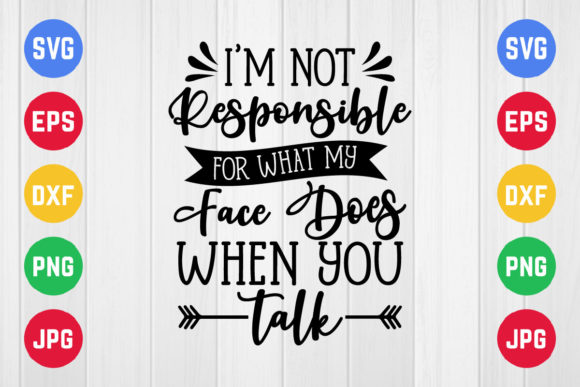
As a designer who has spent years navigating the intersection of digital Graphics and physical Crafts, I approach every new asset with a critical eye. When I first loaded Funny Svg, I’m Not Responsible into my workspace, I wasn't just looking at a file; I was visualizing the final stitch on fabric. This hand-drawn lettering phrase immediately struck me as having that perfect blend of casual charm and bold attitude that sells well in boutique shops. It is not merely a text string; it is a personality statement ready for transformation.
The design features a calligraphic style that mimics human imperfection, which is exactly what we want in modern custom apparel. In the world of embroidery, perfectly geometric fonts can sometimes feel sterile or overly corporate. The organic flow of this machine embroidery design suggests movement and spontaneity. However, before I commit to a client order or stock my Etsy shop, I need to understand how these digital lines translate into thread.
Visual Impact and Design Personality
The first thing that stands out about Funny Svg, I’m Not Responsible is its layout. The phrase is isolated on a white background, making it easy to visualize against various fabric textures. The calligraphy elements vary in thickness, which is crucial for embroidery. Thicker strokes will likely require a dense fill stitch to prevent gaps, while the thinner tails and flourishes might work best with a fine satin stitch or even a delicate running stitch to maintain definition without overwhelming the fabric.
This design screams "custom gift" or "boutique merchandise." It feels like something you would find on a high-quality apron in a local market or a personalized tote bag for a wedding guest. The humor is dry and relatable, which increases its potential as a personalized gift. Customers often look for items that express their inner monologue, and this phrase hits that mark perfectly. It transforms a standard garment into a conversation starter.
A Real-World Application: The Custom Tote Bag Scenario
Let’s imagine a specific project: a client wants a line of eco-friendly canvas tote bags for her craft fair booth. She needs something that looks professional but approachable. I decide to test Funny Svg, I’m Not Responsible on a medium-weight natural canvas. The texture of the canvas is slightly rough, which adds character but also presents a challenge for intricate details.
In this scenario, the hand-drawn nature of the lettering works in our favor. If the stitching isn't perfectly crisp due to the fabric weave, the "hand-drawn" aesthetic covers up minor inconsistencies beautifully. I envision using a contrasting thread color—perhaps a deep charcoal or a vibrant mustard yellow—to make the white-background design pop. The result would be a finished product that feels handmade and unique, rather than mass-produced.
However, if I were to try this same design on a stretchy cotton jersey t-shirt, the outcome might differ. The tension required for the satin stitches in the thin parts of the letters could cause puckering if the stabilizer isn't chosen correctly. This highlights the importance of understanding the interaction between the embroidery file and the substrate.
Navigating Technical Challenges
While the aesthetic appeal is high, there are practical considerations for any small business owner or hobbyist planning to use this asset. The varying stroke widths mean that stitch density must be carefully managed during digitization. Areas where the calligraphy loops tightly may trap thread, leading to bulkiness. If you are converting this SVG yourself, you must ensure that the corners are rounded enough to allow the needle to turn without breaking thread or distorting the shape.
Another critical factor is the hoop size. Depending on the scaling you choose, this phrase could easily exceed the capacity of a small 4x4 hoop. For larger applications like a sweatshirt embroidery project or a pillow cover, you will need a 6x10 or larger hoop to accommodate the full phrase without awkward cropping. Always check your machine's capabilities before starting.
Furthermore, consider the fabric color. While the design is isolated on white, placing it on dark fabric requires careful thought. Light-colored threads might show through less effectively on black denim compared to heather grey. Testing a printable mockup in black and white first can help you gauge contrast before committing expensive thread and time.
Where to Use With Caution
- Thin or Stretchy Fabrics: The density of the fill stitches in the thicker letters can weigh down lightweight materials like silk or thin rayon, causing distortion.
- Textured Surfaces: On highly textured fabrics like heavy wool or corduroy, the fine details of the calligraphy may get lost in the weave.
- Curved Surfaces: Applying this to a cap requires significant skill. The straight baseline of the text might struggle to conform to the curve of a hat panel without specialized digitizing techniques.
- Detailed Corners: Tiny serifs or sharp turns in the lettering should be inspected closely. If they are too small, they may become muddy when stitched.
Maximizing Value for Your Craft Business
For an Etsy seller or someone running a craft business, the value of a design lies in its versatility and repeatability. Funny Svg, I’m Not Responsible offers great potential for creating a cohesive brand identity. Imagine using it across a range of products: from holiday embroidery items like tea towels and napkins to baby embroidery onesies (if scaled appropriately and simplified).
The key to success is consistency. Ensure that the thread colors you select align with your brand palette. If you are selling digital embroidery files alongside physical goods, make sure the license allows for commercial use. Many designers offer personal-use-only licenses by default, so verifying the terms is essential before listing items for sale.
When presenting this design to customers, use high-quality photos that highlight the texture of the thread. Show the back of the item to demonstrate clean finishing and proper stabilizer usage. This builds customer trust and shows professionalism. A well-executed embroidered patch featuring this phrase can be a low-cost, high-margin addition to your inventory.
Final Designer Notes
Before you finalize any project using Funny Svg, I’m Not Responsible, follow these steps to ensure a flawless result:
- Test on Scrap Fabric: Never skip the test run. Stitch the design on a scrap piece of the exact fabric you plan to use to check for puckering and alignment.
- Check Thread Contrast: Ensure the thread color stands out clearly against the fabric. Poor contrast ruins readability.
- Verify Stabilizer Needs: Heavier designs require heavier stabilizers. Do not skimp here, or your finished product will look amateurish.
- Review Licensing: Confirm that you have the right to sell finished goods or digital versions of the design.
- Inspect Small Details: Zoom in on the digitized file to ensure no tiny segments will get lost in the stitching process.
Ultimately, Funny Svg, I’m Not Responsible is a strong asset for those looking to add personality to their apparel decorators portfolio. It bridges the gap between digital art and tactile craftsmanship. With careful planning and attention to technical details, this design can elevate your handmade product line, offering customers a piece of humor that is both stylish and durable. Whether you are creating a one-off personalized gift or stocking shelves for your small shop product line, this design proves that a little wit goes a long way in the world of embroidery.