Baby Funny One in a Melon: A Designer Review
As someone who has spent years navigating the intersection of digital design files and physical stitching, I approach every new machine embroidery design with a specific set of questions. Will it stitch out cleanly? Does the visual weight hold up on fabric? Is it versatile enough for a small shop product line or just a one-off personalized gift? Today, I am putting Baby Funny One in a Melon through that exact lens. This is not just about downloading an embroidery file; it is about understanding how this specific graphic translates from a screen to a finished product.
The Visual Personality of the Design
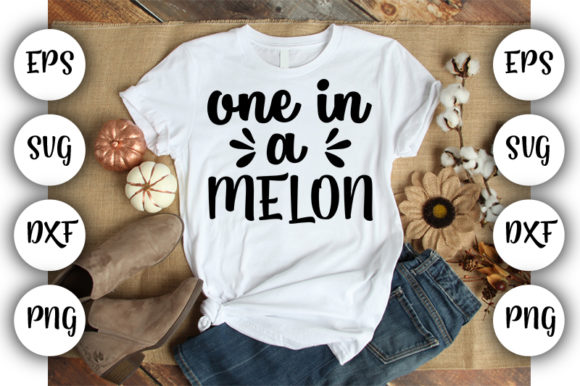
At first glance, Baby Funny One in a Melon hits the sweet spot between whimsical charm and bold statement. The concept plays on a classic pun, but the execution matters most when we talk about T-Shirt Designs. The layout feels balanced, avoiding the trap of being too cluttered while still offering enough detail to look professional. In the world of Graphics, simplicity often wins, but this design manages to have a distinct character without overwhelming the eye.
When I visualize this as a digital embroidery file, the shapes appear clean. There are no impossibly tiny curves that would require excessive knotting or thread breaks. The "melon" element suggests organic lines, which usually translate well into a mix of satin stitch for outlines and fill stitch for the body. The text component is crucial here; if the lettering is too thin, it can get lost on textured fabrics. However, based on the preview, the typography seems robust enough to maintain legibility even after washing.
Testing the Waters: A Real-World Scenario
Let's imagine a practical scenario. You run a small Etsy shop specializing in nursery items, and you want to create a limited run of embroidered tote bags or onesies for summer. You decide to use Baby Funny One in a Melon as your hero design. How does it perform?
I see this working exceptionally well on a canvas tote bag design. The sturdy fabric provides a stable base, allowing the stitches to sit flat. The playful nature of the design makes it perfect for a baby shower gift or a fun accessory for a parent. Alternatively, consider a light gray cotton sweatshirt. Placing this design on the chest area creates a focal point that is both cute and trendy. The contrast of the melon colors against a neutral background would pop, making the custom apparel stand out in a boutique window or an online listing.
However, the real test comes when we think about stitch density. If you plan to use this on a soft fleece blanket or a thick hoodie, you must ensure the stabilizer is adequate. A design like this needs to breathe. If the fill areas are too dense, the fabric might pucker, ruining the drape of the garment. Always test the design on scrap fabric first. Run a few rows of the running stitch and fill areas to see how the thread tension interacts with your specific material.
Navigating Fabric Challenges and Hoop Sizes
While Baby Funny One in a Melon looks great digitally, the physical application requires care. One area where designers often stumble is with hoop size. Ensure your hoop is large enough to accommodate the entire design without stretching the fabric excessively. Stretchy fabrics, like jersey knit used in t-shirts, can distort the image if not properly stabilized. Using a cut-away stabilizer rather than tear-away is often the secret to keeping the shape true on these materials.
Another consideration is the fabric texture. On a nubby linen tea towel or a chunky knit cap, fine details can get swallowed by the weave. If you are aiming for a high-end handmade product, smooth cotton or twill is your best friend. For darker fabrics, you will need to check the thread colors carefully. Light-colored designs on black backgrounds require a backing layer or a different color palette to ensure visibility. Do not assume the default colors in the file will work on everything; always adjust your thread selection to match the garment.
Commercial Viability and Brand Consistency
For the Etsy seller or small business owner, consistency is key. Baby Funny One in a Melon offers a cohesive look that can anchor a collection. Imagine pairing this design with other seasonal holiday embroidery pieces. It fits naturally into a "summer baby" theme. When customers see a polished, well-stitched item, their trust in your brand increases. A messy stitch job or a distorted image can do the opposite, leading to returns and negative reviews.
This design also works well as an embroidered patch. If you are creating patches to sell separately or to attach to denim jackets and hats, the clean lines of the melon and text should hold up well during the cutting process. Just remember to add a border if you are planning to cut them out, ensuring the edges remain secure after repeated handling.
From a licensing perspective, before you list any finished product for sale, confirm the terms of the digital product you purchased. While the file formats provided—SVG, DXF, EPS, and PNG—are versatile for various machines and software, they do not automatically grant commercial rights for mass production unless specified. As a responsible creative entrepreneur, always verify that you can sell items made with this design asset.
Practical Tips for the Best Results
To get the most out of Baby Funny One in a Melon, follow these practical steps:
- Test on Scrap Fabric: Never skip this step. Stitch the design on a piece of the actual fabric you plan to use to check for puckering or thread breakage.
- Check Color Contrast: Ensure the thread colors provide enough contrast against the fabric. Darker fabrics may require lighter threads or a backing layer.
- Verify File Formats: You will receive SVG, DXF, EPS, and PNG formats. Make sure your embroidery machine software supports these. Convert if necessary before loading.
- Use Proper Stabilizer: Match the stabilizer type to the fabric weight. Heavy fabrics need heavy stabilizers; light knits need flexible ones.
- Inspect Small Details: Zoom in on the text and the melon rind details. If anything looks too thin, consider adjusting the stitch settings in your software.
- Create Mockups: Use printable mockups to visualize how the design looks on different products before committing to expensive materials.
Final Thoughts on Design Utility
In conclusion, Baby Funny One in a Melon is a solid addition to any embroidery project library. It strikes a balance between fun and functionality, making it suitable for both personal gifts and commercial embroidery ventures. Whether you are decorating a baby embroidery onesie, a kitchen apron, or a stylish tote bag, the design holds its own. Its success, however, relies on your attention to detail regarding fabric choice, stabilizer use, and thread selection.
As designers, our goal is to create products that people love and keep. By treating Baby Funny One in a Melon with the care it deserves during the stitching process, you ensure that the final result is not just a decoration, but a high-quality piece of art that reflects your skill and professionalism. This design has the potential to be a best-seller in your shop, provided you execute it with precision and creativity.